Quick Answer:
To start homeschooling: 1) Check your state's legal requirements, 2) Choose a teaching method, 3) Select curriculum materials, 4) Create a learning space, 5) Establish a daily routine, and 6) Connect with other homeschoolers. Average setup time is 2-4 weeks and costs range from $300-1,000 per year per child.
Navigating Legal Requirements for Homeschooling
Embarking on the homeschooling journey begins with understanding the legal framework that governs homeschooling in your jurisdiction. Each state or country has its unique set of laws and regulations that outline what is required from homeschooling families. From notifying local school districts to maintaining educational records and meeting specific curriculum standards, it's imperative to ensure compliance to provide a solid foundation for your homeschooling journey.
Resources such as the Homeschool Legal Defense Association (HSLDA) offer comprehensive guides and assistance to help you navigate the legal landscape, ensuring that your homeschooling setup starts on the right legal footing.
Choosing the Right Homeschooling Method
The beauty of homeschooling lies in its flexibility and the ability to tailor the educational experience to suit your child's unique learning style, interests, and needs. From structured approaches like the classical education model to more relaxed methods such as unschooling, there is a spectrum of homeschooling philosophies to explore. Understanding these methods and assessing which aligns best with your educational goals and your child's personality is crucial in creating an effective and enjoyable learning environment.
Engaging with homeschooling communities online or in your area can provide insights and experiences from seasoned homeschoolers, offering valuable perspectives as you select the method that works best for your family.

Developing a Customized Curriculum
One of the most significant advantages of homeschooling is the ability to customize your child's curriculum. This involves selecting subjects and materials that not only meet the educational standards but also ignite your child's passion for learning. Whether it's incorporating STEM projects for a budding scientist or literature studies for an aspiring author, the curriculum can be designed to cater to your child's interests and aspirations.
Utilizing a mix of textbooks, online resources, hands-on projects, and community resources can create a rich and varied educational experience. Companies like Khan Academy, Coursera, and local libraries can be invaluable in supplementing your curriculum with high-quality educational content.
Creating an Inspiring Learning Environment
Transforming a part of your home into a dedicated learning space can significantly enhance your homeschooling experience. This doesn't require an elaborate setup but should be a space where your child can focus, explore, and create. Equipping this area with necessary supplies, from a comfortable desk and chair to educational aids like maps, science kits, and art supplies, can stimulate learning and make the homeschooling experience more effective and enjoyable.
Remember, the best learning environment is one that evolves with your child's needs, interests, and educational goals, creating a space that they look forward to spending time in each day.
Establishing a Balanced Homeschooling Routine
While homeschooling provides flexibility, establishing a routine can help impart structure to your child's day, balancing academic learning with physical activity, hobbies, and social time. Tailoring this routine to fit your family's lifestyle and your child's natural rhythms can make homeschooling more enjoyable and sustainable for everyone involved.
Consistency in the routine fosters discipline and helps manage both parents' and children's expectations. However, staying flexible and open to adjustments is key to accommodating the natural flow of learning and life's unpredictability.
Building a Support Network
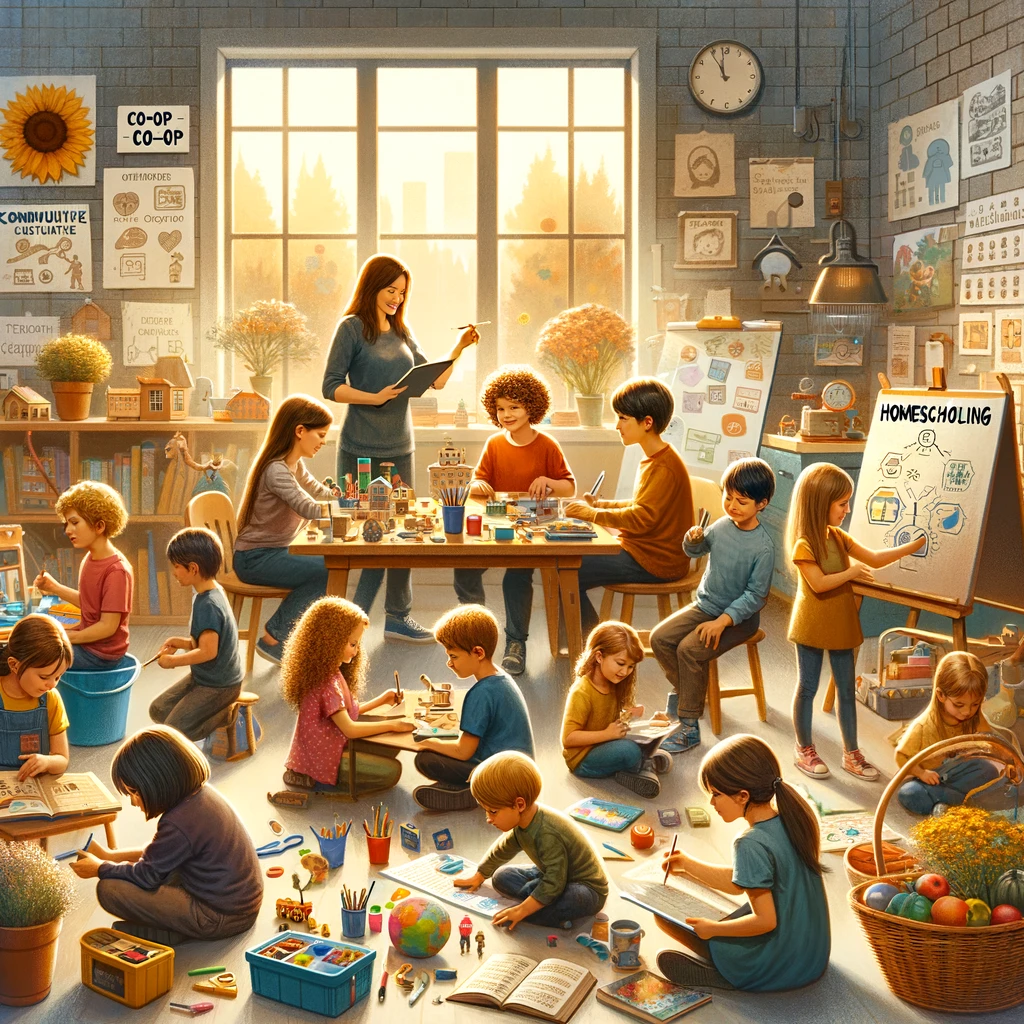
Homeschooling is not a journey you have to embark on alone. Building a support network of fellow homeschoolers can provide not just practical advice and resources but also emotional support and social opportunities for your children. From local homeschooling groups to online forums and social media communities, there are many avenues to connect with like-minded families.
Participating in group learning activities, field trips, and educational co-ops can also enrich your homeschooling experience, providing your children with valuable social interactions and a broader educational community.
Common Questions About Starting Homeschooling
How much does it cost to start homeschooling?
The average cost to start homeschooling ranges from $300-1,000 per year per child, depending on your chosen curriculum and materials. Many free resources are available to reduce costs. Key expenses include curriculum ($150-500), supplies ($100-300), and activities ($50-200).
Can I start homeschooling in the middle of the school year?
Yes, you can start homeschooling at any time. Most states require you to file a notice of intent to homeschool and formally withdraw your child from their current school. The transition typically takes 1-2 weeks to complete.
Do I need teaching credentials to homeschool?
Most states don't require parents to have teaching credentials to homeschool. Only 3 states (WA, CA, ND) require some form of parent qualification, which can usually be met with a high school diploma or GED.