Unconventional Resources: Using World War II Films and Documentaries to Deepen Understanding
World War II is a critcal area of study to learn about our past and how we can do better in the future. Homeschooling parents seeking to teach this difficult, but important, subject can use films, documentaries, and virtual tours to deepen their children's understanding of the war.
Unconventional Resources: Using World War II Films and Documentaries to Deepen Understanding
World War II films and documentaries are valuable resources for homeschoolers seeking to immerse their children in the history of this pivotal era. While textbooks and primary sources are essential, visual media can provide a more immersive and engaging experience, bringing history to life in a way that resonates deeply with students. By incorporating carefully selected films and documentaries into their curriculum, homeschooling parents can deepen their children's understanding of World War II, offering a multi-dimensional perspective that complements traditional learning materials.
One of the key benefits of using World War II films and documentaries in homeschooling is the ability to provide students with a visual representation of historical events, figures, and settings. For example, acclaimed films like "Saving Private Ryan" and "Schindler's List" offer powerful portrayals of the human experience during the war, allowing students to empathize with the individuals impacted by the conflict. Documentaries such as "The World at War" provide comprehensive overviews of the war's global reach, incorporating firsthand accounts and archival footage to create a vivid portrayal of the era. By witnessing these depictions, students can develop a more nuanced understanding of the war's complexities and its profound impact on the world.
Furthermore, World War II films and documentaries can serve as catalysts for meaningful discussions and critical thinking exercises within the homeschool environment. After viewing a film or documentary, parents can facilitate conversations that encourage students to analyze the accuracy of the portrayal, consider the ethical dilemmas faced by individuals during the war, and explore the broader historical context surrounding the events depicted. This approach fosters a deeper engagement with the material, prompting students to ask probing questions, challenge assumptions, and develop their analytical skills. Additionally, parents can leverage these visual resources to inspire research projects, creative writing assignments, or even historical reenactments, allowing students to apply their newfound knowledge in dynamic and interactive ways.
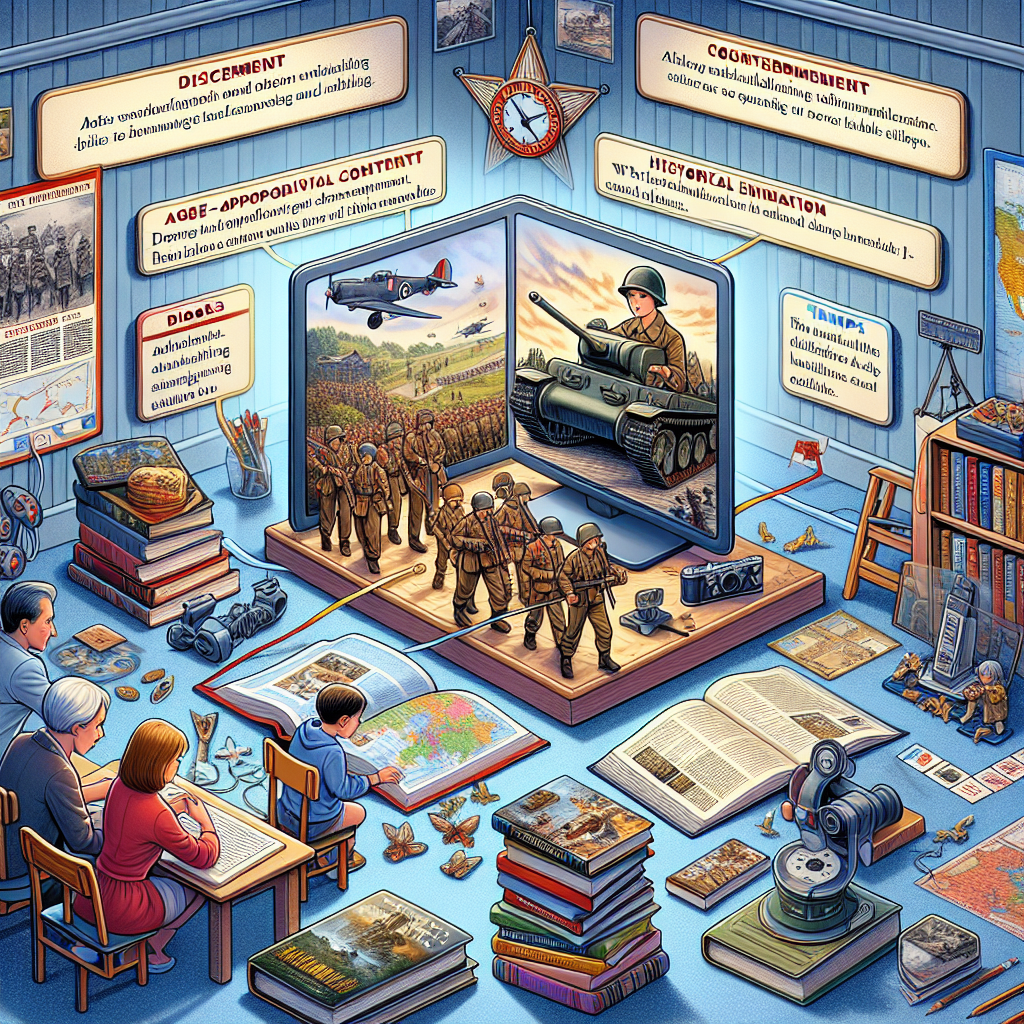
When incorporating World War II films and documentaries into the homeschool curriculum, it is important for parents to approach the selection process thoughtfully. While there are numerous compelling options available, it is essential to consider the age-appropriateness of the content, the historical accuracy of the portrayal, and the potential impact on students. Additionally, parents should supplement the viewing experience with contextual background information, ensuring that students comprehend the broader historical significance of the events depicted. By utilizing films and documentaries as supplementary resources alongside traditional materials, homeschooling parents can cultivate a rich and comprehensive exploration of World War II history, fostering a lifelong fascination with this pivotal period in human history.
Interactive Learning: Building World War II History Through Virtual Tours and Simulations
When it comes to studying World War II history, interactive learning through virtual tours and simulations can bring the past to life for homeschool students. Virtual tours allow students to explore historical sites, museums, and battlefields related to World War II from the comfort of their homes. Platforms like Google Earth offer virtual tours of significant World War II locations, such as the D-Day beaches in Normandy, the Auschwitz concentration camp, or the USS Arizona Memorial in Pearl Harbor. These tours provide a sense of immersion and allow students to visualize the locations they are studying, making history more tangible and engaging.
In addition to virtual tours, simulations can provide a hands-on approach to understanding World War II history. For example, there are various World War II-themed video games and simulations that offer a unique perspective on the war. Games like "Call of Duty: WWII" or "Company of Heroes" provide a way for students to experience historical battles and events, fostering a deeper understanding of the strategies, challenges, and human experiences of the war. By engaging with these simulations, students can develop critical thinking skills, strategic planning, and empathy as they navigate the complexities of World War II.
Furthermore, utilizing virtual reality (VR) technology can offer an even more immersive experience for homeschool students studying World War II history. VR headsets can transport students to the past, allowing them to explore virtual replicas of historical sites and artifacts. For instance, students can virtually visit the Imperial War Museum in London or the National WWII Museum in New Orleans, gaining a firsthand look at authentic World War II artifacts and exhibits. This level of immersion can create a strong emotional connection to the historical events, making the learning experience more impactful and memorable for students. Integrating VR technology into World War II history lessons can provide a multi-sensory approach that enhances students' comprehension and retention of the subject matter.
Harnessing Primary Sources: Utilizing Letters, Diaries, and Artifacts to Connect with the Past
When teaching World War II history in a homeschool setting, it's essential to provide students with a deep and personal connection to the past. One effective way to achieve this is by harnessing primary sources such as letters, diaries, and artifacts. These authentic materials offer a window into the lived experiences of individuals during the war, allowing students to empathize with the people who lived through this significant period in history. By incorporating primary sources into the curriculum, homeschooling parents can help their children develop a more profound understanding of the human stories behind the war, fostering a fascination with World War II history that goes beyond dates and battles.
Letters written by soldiers, civilians, and government officials during World War II provide invaluable insights into the thoughts, emotions, and daily realities of those directly impacted by the conflict. Homeschooling parents can utilize these letters to engage students in the personal narratives of individuals who experienced the war firsthand. For example, incorporating the correspondence of soldiers stationed in different theaters of the war can offer students a diverse perspective on the challenges and triumphs faced by individuals from various backgrounds. By analyzing these letters, students can gain a nuanced understanding of the human toll of the war, fostering empathy and a deeper appreciation for the sacrifices made by those who lived through this period.
Diaries kept by individuals during World War II offer a treasure trove of firsthand accounts that provide a personal, unfiltered view of historical events. Homeschooling parents can encourage their students to explore these diaries to gain a sense of immediacy and authenticity in their understanding of the war. For instance, students could examine the diary entries of civilians living in war-torn countries, gaining insights into the daily struggles and resilience of ordinary people during this tumultuous time. By engaging with these personal accounts, students can develop a more intimate connection to the past, fostering a sense of empathy and a deeper appreciation for the complexities of wartime experiences.
In addition to letters and diaries, artifacts from World War II offer tangible connections to the past, bringing history to life in a tactile and visual manner. Homeschooling parents can incorporate artifacts such as uniforms, ration books, propaganda posters, or personal belongings into their World War II history curriculum. By examining these artifacts, students can gain a deeper understanding of the material culture and societal impact of the war. For example, studying wartime propaganda posters can provide insight into the ideological messaging of the era, while exploring personal belongings can humanize the historical figures and ordinary individuals who lived through this tumultuous period. By interacting with these artifacts, students can develop a multi-dimensional understanding of World War II history, fostering a fascination with the tangible remnants of the past.
Family Projects: Engaging in World War II History Through Oral Histories and Genealogy Research
Engaging in family projects that involve oral histories and genealogy research can be an enriching way to immerse homeschool students in the history of World War II. One approach is to encourage students to conduct interviews with family members who lived through the era or have stories passed down from relatives who did. This could involve creating a list of questions to guide the conversation, focusing on experiences during the war, rationing, or life on the home front. By capturing these oral histories, students not only gain a deeper understanding of the personal impact of the war but also develop essential skills in communication, active listening, and historical empathy.
Moreover, genealogy research can provide a tangible link to World War II history. Students can explore their family tree to uncover ancestors who served in the military or were affected by the war in various ways. This could involve examining military records, letters, photographs, and other artifacts to piece together the wartime experiences of their relatives. By delving into genealogy, students can develop critical research skills, learn about the interconnectedness of historical events, and gain a personal connection to the broader narrative of World War II.
In addition to oral histories and genealogy research, families can take their engagement with World War II history a step further by creating multimedia projects. These could include compiling the oral history interviews into a documentary-style video or podcast, creating a family history scrapbook with photographs and documents related to the war, or even organizing a small exhibit for extended family members to showcase their findings. By involving students in the production of these projects, they not only deepen their understanding of World War II history but also hone their creativity, organization, and presentation skills. This hands-on approach can make the historical period more meaningful and memorable for homeschool students, fostering a lasting fascination with World War II history.
Creative Expression: Channeling World War II History Through Art, Drama, and Literature
Incorporating creative expression into the study of World War II history can ignite a deeper understanding and appreciation for the era. Art can serve as a powerful medium for delving into the emotions, experiences, and visual elements of this significant period. Homeschooled students can explore wartime propaganda posters, wartime photography, or even create their own artwork inspired by the stories and events of World War II. This can be an opportunity to discuss the impact of art on society, the role of art in wartime, and the power of visual storytelling. Moreover, engaging in art projects can help students develop critical thinking skills as they analyze and interpret historical imagery.
Drama provides a unique avenue for homeschoolers to immerse themselves in the human stories of World War II. Students can bring the era to life through skits, monologues, or full-fledged theatrical productions. For instance, they can reenact historical events, embody significant figures such as Winston Churchill or Anne Frank, or even create original characters based on their research of the time period. By doing so, students can gain insight into the personal experiences, dilemmas, and triumphs of individuals during the war. This experiential learning approach not only fosters empathy and understanding but also hones students' public speaking, improvisation, and collaboration skills.
Literature offers a wealth of resources for delving into World War II history. Homeschooled students can explore historical fiction novels, memoirs, diaries, and letters written during the war. Reading and analyzing these texts can provide a window into the diverse perspectives and experiences of people living through this tumultuous period. Additionally, students can hone their writing skills by composing their own stories set during World War II, or by crafting persuasive essays on the ethical dilemmas and moral questions raised by the war. By engaging with literature, students can develop empathy, critical thinking, and historical analysis skills while deepening their understanding of the human impact of World War II.
In conclusion, homeschooling parents have a multitude of engaging and immersive resources at their disposal to enrich their children's understanding of World War II history. From utilizing films and documentaries to virtual tours and simulations, harnessing primary sources, engaging in family projects, and channeling creative expression through art, drama, and literature, the possibilities for multidimensional learning experiences are vast. By incorporating these unconventional resources, homeschooling parents can foster a deep and personal connection to the past, encourage critical thinking and empathy, and ignite a lasting fascination with this pivotal period in human history. Through thoughtful curation and interactive engagement, students can develop a nuanced understanding of the complexities and human stories behind World War II, ensuring a comprehensive and impactful exploration of this significant era.
More Articles
How to Apply This Week
Translate theory into weekly behavior: set one target metric, run focused iterations, and remove friction points aggressively at each review.
Related Curriculum and Guides
Editorial Integrity
This article is maintained by TheHomeschoolingCompany editorial team and reviewed for factual consistency and practical utility for homeschool families. We update high-impact pages when policy, standards, or implementation best practices change.