Unleashing Individual Curiosity: Encouraging Self-Paced Exploration of World War II Events
When it comes to homeschooling, one of the greatest advantages is the ability to tailor learning experiences to each child's unique interests and learning style. This is particularly important when delving into the complex and impactful topic of World War II history. By allowing students to choose their own path of exploration, parents can foster a deep and lasting connection to this pivotal period in history.
Unleashing Individual Curiosity: Encouraging Self-Paced Exploration of World War II Events
When it comes to homeschooling, one of the greatest advantages is the ability to tailor learning experiences to each child's unique interests and learning style. This is particularly important when delving into the complex and impactful topic of World War II history. Encouraging self-paced exploration of World War II events allows students to delve into the topics that interest them most, whether it's the political climate leading up to the war, the experiences of soldiers on the front lines, or the impact of the war on civilians. By allowing students to choose their own path of exploration, parents can foster a deep and lasting connection to this pivotal period in history.
One effective way to encourage self-paced exploration of World War II events is to provide a variety of resources that cater to different learning styles and preferences. For visual learners, this could involve documentaries, historical photographs, and maps. Auditory learners may benefit from listening to firsthand accounts of the war through podcasts or audiobooks. For kinesthetic learners, hands-on activities such as creating timelines, building models of wartime aircraft, or participating in historical reenactments can bring the events of World War II to life in a tangible way. By offering a range of resources and activities, parents can empower their children to take ownership of their learning and engage with the material in a way that resonates with them personally.
Moreover, fostering self-paced exploration of World War II events can involve encouraging critical thinking and analytical skills. For example, instead of simply memorizing dates and battles, students can be prompted to analyze the motivations of key political figures, critically evaluate the impact of wartime propaganda, or consider the ethical dilemmas faced by individuals during the war. By posing open-ended questions and encouraging discussions, parents can guide their children to think critically about the complexities of World War II, thus nurturing their ability to think independently and form well-reasoned opinions. This approach not only deepens understanding but also cultivates essential skills that are valuable beyond the study of history, preparing students to be thoughtful and discerning individuals in all areas of their lives.

Critical Analysis and Perspective: Fostering Independent Research Skills in Homeschooled Students
Homeschooling provides a unique opportunity for students to develop critical analysis and perspective through self-paced learning. When exploring World War II history, students can delve into primary sources, such as letters, diaries, and photographs, to gain a deeper understanding of the era. Encouraging students to critically analyze these sources fosters independent research skills. For example, students can compare and contrast different accounts of historical events, evaluate the reliability of sources, and form their own interpretations. This process not only enhances their historical knowledge but also equips them with valuable critical thinking skills that extend beyond the study of history.
Moreover, homeschooling allows for flexibility in exploring diverse perspectives on World War II. Students can investigate the experiences of individuals from various countries, ethnicities, and social backgrounds, enabling them to develop a well-rounded understanding of the war's impact. For instance, students can analyze the war from the viewpoints of civilians, soldiers, resistance fighters, and government leaders. By engaging with multiple perspectives, students learn to critically evaluate different narratives, recognize biases, and form nuanced opinions. This approach nurtures their ability to think independently and empathize with diverse viewpoints, essential skills for navigating an increasingly interconnected world.
In addition, homeschooling empowers students to conduct in-depth research projects that align with their interests and strengths. For example, a student passionate about technology might explore the role of code-breaking in World War II, while a student interested in art could investigate the impact of the war on artistic movements. By pursuing self-directed research, students cultivate a sense of ownership over their learning and develop the perseverance and resourcefulness necessary for independent inquiry. This personalized approach to studying history not only deepens students' understanding of the subject matter but also instills a lifelong love for learning and the confidence to tackle complex topics with curiosity and critical thinking.
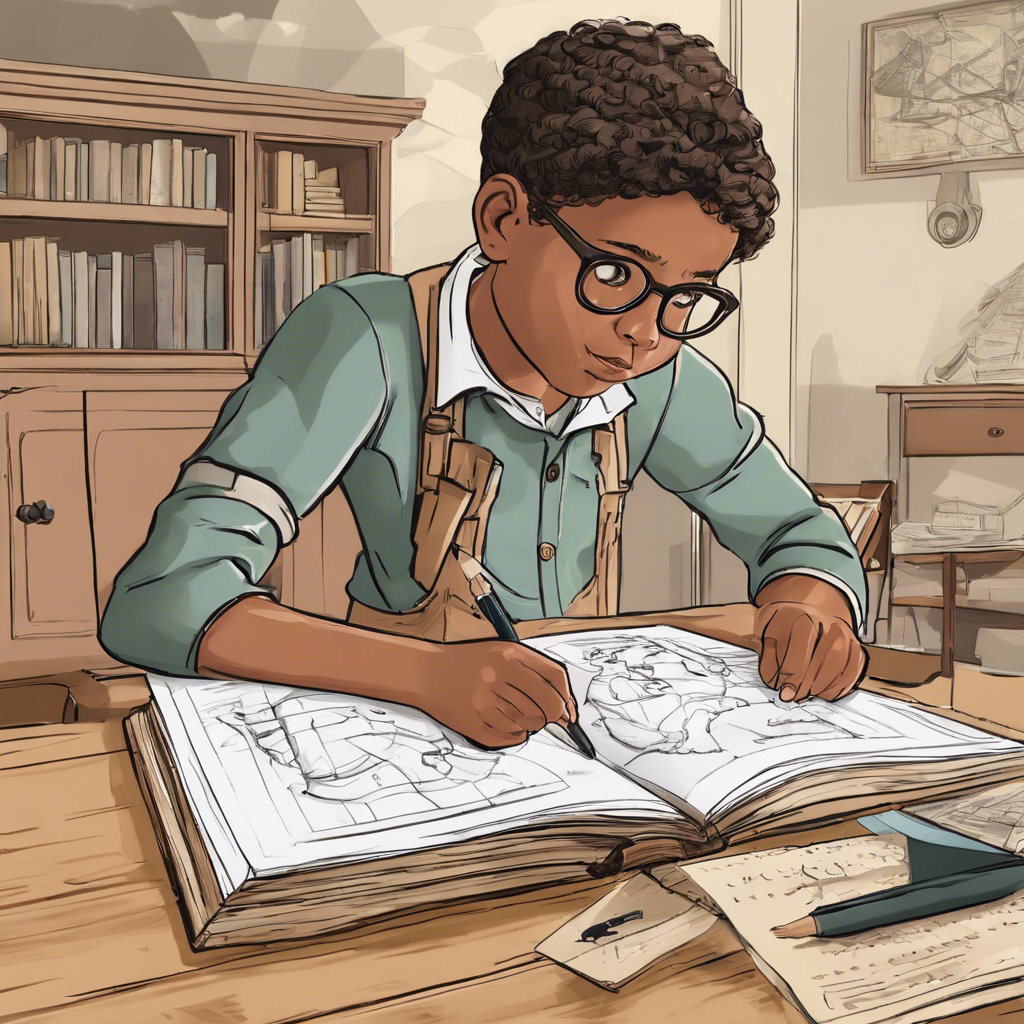
Interactive Multimedia Learning: Engaging Homeschooled Learners with World War II History Through Diverse Resources
When it comes to teaching World War II history in a homeschooling setting, interactive multimedia learning can be a powerful tool for engaging students. Diverse resources such as documentaries, virtual tours, interactive websites, and educational apps can bring this pivotal period to life, making it more accessible and engaging for learners. For example, documentaries like "The World at War" or "WWII in HD" provide captivating visual narratives that can immerse students in the events and experiences of World War II. Virtual tours of historical sites, such as the USS Arizona Memorial or the Anne Frank House, allow students to explore key locations related to the war, fostering a deeper understanding of its impact. Additionally, interactive websites and educational apps offer engaging activities, quizzes, and multimedia content that cater to different learning styles, making the learning process more dynamic and effective.
One of the key benefits of using diverse multimedia resources for teaching World War II history is the ability to cater to different learning styles and preferences. Visual learners may benefit from watching documentaries or exploring virtual tours, while interactive websites and educational apps can provide hands-on activities and quizzes for kinesthetic learners. By incorporating diverse resources, homeschooling parents can create a well-rounded learning experience that resonates with their child's individual learning style, fostering a deeper and more meaningful understanding of World War II history. Moreover, the interactive nature of multimedia resources can spark curiosity and critical thinking, prompting students to ask questions, analyze historical events, and make connections to the present day.
Furthermore, interactive multimedia learning can facilitate independent exploration and self-paced learning, aligning with the flexible nature of homeschooling. Students can delve into World War II history at their own pace, pausing, rewinding, or revisiting content as needed to solidify their understanding. This self-directed approach empowers homeschooled learners to take ownership of their education, nurturing a sense of autonomy and responsibility. By engaging with diverse multimedia resources, students can develop crucial skills such as information literacy, media analysis, and digital fluency, which are essential in the 21st century. Overall, interactive multimedia learning not only enhances engagement with World War II history but also equips homeschooled learners with valuable skills for navigating an increasingly digital and interconnected world.
Empowering Self-Directed Inquiry: Cultivating Analytical Thinking in Homeschooled Students through World War II Studies
Studying World War II history provides a rich and multifaceted opportunity for homeschooling students to cultivate analytical thinking skills. Through self-directed inquiry into this pivotal period in global history, students can develop critical thinking, research, and analytical skills. By engaging with primary sources, historical documents, and multimedia materials, students can hone their ability to analyze, evaluate, and synthesize complex information.
One way to foster analytical thinking in homeschooled students through World War II studies is by encouraging them to explore different perspectives and interpretations of historical events. For instance, students can investigate the impact of the war on various countries and communities, considering diverse viewpoints and experiences. By critically examining primary sources and scholarly interpretations, students can develop the skill of discerning bias, evaluating evidence, and constructing well-reasoned arguments. This process not only deepens their understanding of history but also strengthens their analytical abilities, enabling them to approach complex issues with nuance and critical insight.
Furthermore, integrating interdisciplinary approaches into World War II studies can enhance analytical thinking in homeschooled students. For example, students can explore the scientific and technological advancements that emerged during the war, the economic repercussions of the conflict, or the cultural and artistic responses to wartime experiences. By connecting historical events to other fields of study, students develop a broader understanding of the interconnectedness of knowledge and the multifaceted nature of historical inquiry. This interdisciplinary approach not only stimulates critical thinking but also nurtures the capacity for analytical thinking across diverse subjects, fostering a holistic and nuanced worldview.
Personalized Learning Paths: Facilitating Deep Understanding of World War II History in Homeschooling Environments
Homeschooling offers a unique opportunity to tailor learning experiences to the individual needs, interests, and learning styles of each student. When it comes to teaching World War II history, personalized learning paths can facilitate a deep understanding of this complex and significant period. By customizing the curriculum, pacing, and resources, homeschooling parents can empower their children to engage critically with World War II history and develop a profound comprehension of its impact on the world.
One practical approach to personalized learning in World War II history is to allow students to explore the war from different perspectives. For example, a student may be particularly interested in the military strategies employed during the war, while another may be more drawn to the human stories of resilience and survival. By incorporating a variety of resources such as primary source documents, memoirs, historical fiction, documentaries, and interactive online exhibits, parents can encourage their children to delve into the aspects of World War II history that resonate most with them. This approach not only fosters a deep understanding of the war but also cultivates critical thinking skills as students analyze and synthesize information from diverse sources.
Furthermore, personalized learning paths can integrate project-based assessments that allow students to showcase their understanding of World War II history in creative and meaningful ways. For instance, a student might choose to create a multimedia presentation comparing the impact of the war on different countries, or they may opt to write a historical fiction piece set during the war, incorporating accurate historical details. By giving students the autonomy to choose how they demonstrate their knowledge, homeschooling parents can foster a sense of ownership and responsibility for their learning. This approach not only deepens understanding but also nurtures critical thinking as students grapple with historical complexities and make connections between events, causes, and consequences.
In conclusion, homeschooling provides a unique opportunity to unleash individual curiosity and encourage self-paced exploration of World War II events. By tailoring learning experiences to each child's unique interests and learning style, parents can foster a deep and lasting connection to this pivotal period in history. Through a variety of resources, critical analysis and perspective, interactive multimedia learning, self-directed inquiry, and personalized learning paths, homeschooling empowers students to develop critical thinking skills, engage with diverse perspectives, and cultivate a profound understanding of World War II history. This personalized approach not only deepens historical knowledge but also instills a lifelong love for learning and the confidence to tackle complex topics with curiosity and critical thinking, preparing students to be thoughtful and discerning individuals in all areas of their lives.
More Articles
How to Apply This Week
Treat this topic as a system upgrade. Define your baseline, implement one process change, and review evidence after two weeks before expanding scope.
Related Curriculum and Guides
Editorial Integrity
This article is maintained by TheHomeschoolingCompany editorial team and reviewed for factual consistency and practical utility for homeschool families. We update high-impact pages when policy, standards, or implementation best practices change.