Socratic Method in Homeschooling: Questions That Build Critical Thinking
Use the Socratic method in homeschooling to help students question assumptions, test evidence, debate ideas, and build durable critical thinking habits.
The Socratic method gives homeschool parents a practical way to teach philosophical inquiry without turning every lesson into a lecture. Instead of asking students to memorize conclusions, parents ask better questions: What do you mean by that? What evidence would change your mind? What assumption is hiding underneath the answer?
Fostering Critical Thinking Skills: Integrating Philosophical Inquiry in Homeschooling
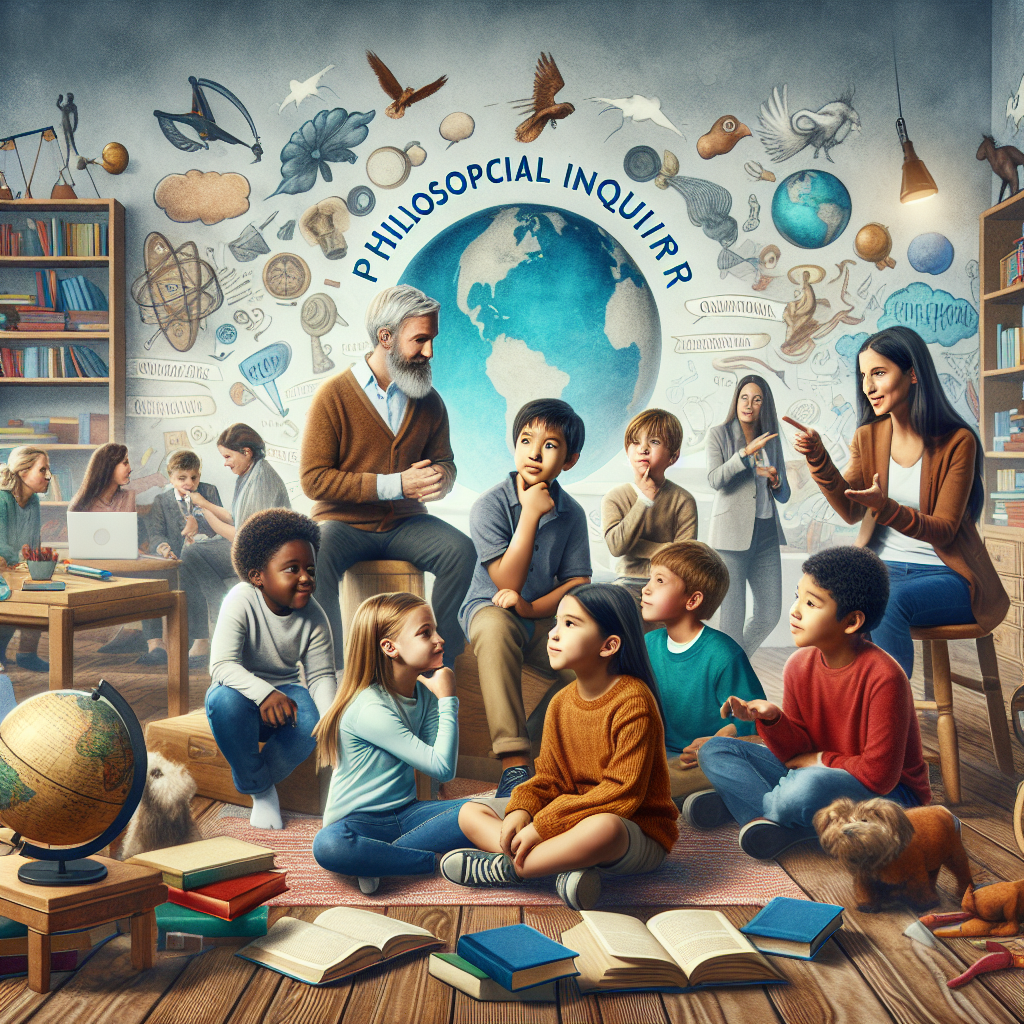
Integrating philosophical inquiry into homeschooling can significantly foster critical thinking skills in children. By encouraging children to engage in philosophical discussions, parents can help them develop the ability to think critically, analyze complex ideas, and articulate their thoughts effectively. Philosophical inquiry prompts children to question assumptions, evaluate evidence, and consider alternative perspectives, all of which are essential components of critical thinking.
One practical way to integrate philosophical inquiry into homeschooling is through the use of age-appropriate philosophical texts and stories. For younger children, fables and parables can serve as valuable tools for introducing philosophical concepts such as ethics, morality, and logic. For older children, engaging with classic philosophical texts from thinkers like Socrates, Plato, or Aristotle can provide a foundation for critical thinking. By discussing these texts with their children, parents can encourage them to think deeply about fundamental questions and develop their analytical skills.
In addition to using texts, parents can incorporate philosophical discussions into everyday activities. For example, during family meals, parents can pose open-ended questions such as "What is justice?" or "What makes something beautiful?" and encourage their children to express their thoughts. By creating a safe and open environment for philosophical inquiry, parents can nurture their children's critical thinking skills and help them become more adept at reasoning and problem-solving.

Cultivating Emotional Intelligence: The Role of Philosophical Discussions in Homeschool Education
Philosophical discussions play a crucial role in cultivating emotional intelligence in homeschool education. Engaging in philosophical inquiries encourages children to explore their emotions, thoughts, and beliefs, leading to a deeper understanding of themselves and others. Through thoughtful dialogue and reflection, children develop empathy, self-awareness, and the ability to articulate their feelings and perspectives. This process not only enhances their emotional intelligence but also equips them with essential life skills for navigating social relationships and conflicts.
One practical way to incorporate philosophical discussions for cultivating emotional intelligence is through the exploration of ethical dilemmas. Presenting children with thought-provoking scenarios, such as the classic "trolley problem" or real-life moral conundrums, encourages them to consider various perspectives and weigh the consequences of their choices. By engaging in these discussions, children learn to navigate complex emotions, ethical reasoning, and moral decision-making, fostering a deeper understanding of the impact of their actions on themselves and others. For instance, discussing hypothetical scenarios involving fairness and justice can help children develop a sense of empathy and fairness, thereby enhancing their emotional intelligence.
Furthermore, philosophical discussions provide a safe space for children to express their emotions and engage in respectful debates. By exploring topics related to identity, belonging, and personal values, children can develop a sense of emotional resilience and adaptability. For example, discussing philosophical concepts such as "What is the meaning of a good life?" or "What does it mean to be a good friend?" allows children to reflect on their own experiences and emotions, leading to a greater sense of self-awareness and empathy towards others. This reflective process fosters emotional intelligence by encouraging children to recognize and manage their emotions while understanding the perspectives of their peers.
Nurturing Creativity and Imagination: Using Philosophical Inquiry as a Tool for Self-Paced Learning
Introducing philosophical inquiry in homeschooling can be a powerful tool for nurturing creativity and imagination in children. Unlike traditional educational approaches that focus on rote memorization and standardized testing, philosophical inquiry encourages children to think critically, ask open-ended questions, and explore the complexities of the world around them. By engaging in philosophical discussions, children are given the freedom to express their thoughts and ideas, allowing them to develop their creativity and imagination in a supportive and intellectually stimulating environment.
One practical way to use philosophical inquiry to nurture creativity and imagination in homeschooling is by incorporating open-ended questions into various subjects. For instance, during a science lesson, instead of simply teaching the facts about photosynthesis, parents can encourage their children to ponder questions like "What would happen if plants didn't need sunlight to make food?" This approach not only fosters critical thinking but also sparks the imagination, as children begin to explore alternative possibilities and scenarios. By integrating philosophical inquiry into different subjects, children can develop a holistic approach to learning, where creativity and imagination are valued alongside factual knowledge.
Furthermore, philosophical inquiry can also be used as a tool for self-paced learning, allowing children to delve into topics that genuinely interest them. By encouraging children to explore philosophical questions related to their passions, whether it be history, literature, or the arts, parents can ignite their curiosity and motivation for learning. This personalized approach to education not only fosters creativity and imagination but also instills a sense of ownership and autonomy in children's learning journey. As they engage in philosophical discussions about topics they are passionate about, children can develop a deeper understanding and appreciation for their areas of interest, leading to a more profound and enduring learning experience.
Developing Ethical Decision-Making: The Impact of Introducing Philosophy in Homeschool Curricula
Introducing philosophical inquiry in homeschool curricula can significantly impact a child's ethical decision-making abilities. Philosophy encourages students to engage in critical thinking, evaluate different perspectives, and consider the consequences of their actions. By discussing ethical dilemmas and engaging in philosophical debates, homeschoolers can develop a deeper understanding of moral principles and ethical reasoning. For example, introducing young learners to philosophical thought experiments such as the Trolley Problem can prompt them to consider complex ethical issues and weigh the consequences of their decisions. Through these discussions, children can develop a strong foundation for making ethical choices in various real-life scenarios.
Moreover, philosophical inquiry fosters empathy and compassion in homeschoolers. By exploring philosophical texts and engaging in discussions about justice, fairness, and moral responsibility, students can develop a heightened awareness of the impact of their actions on others. For instance, introducing children to philosophical concepts such as utilitarianism and deontology can lead to thought-provoking discussions about the ethical implications of their choices on a personal and societal level. This can help homeschoolers cultivate a sense of empathy and ethical awareness, enabling them to navigate complex moral dilemmas with thoughtfulness and consideration for others.
Furthermore, integrating philosophy into homeschool curricula can empower children to become ethical leaders and problem solvers. By examining ethical theories and engaging in philosophical discussions, homeschoolers can develop the skills necessary to critically analyze ethical issues, articulate their viewpoints, and engage in constructive dialogue. For example, introducing children to philosophical texts that explore ethical leadership and moral decision-making in historical contexts can inspire them to become thoughtful and principled leaders in their communities. By honing their ethical reasoning skills through philosophical inquiry, homeschoolers can become adept at navigating ethical challenges and contributing positively to society.
Enhancing Communication and Debate Skills: The Benefits of Philosophical Inquiry for Homeschooled Students
Philosophical inquiry in homeschooling can significantly enhance communication and debate skills in students. Engaging in philosophical discussions encourages students to articulate their thoughts and opinions effectively. This process involves presenting logical arguments, defending their viewpoints, and respectfully challenging the perspectives of others. These skills are invaluable in developing confident communicators who can express themselves cogently and persuasively. For example, in a homeschool setting, students can participate in structured debates on philosophical topics, such as ethics or the nature of reality. By researching, formulating arguments, and engaging in constructive dialogue, students learn to express their ideas clearly and persuasively, while also developing the ability to listen attentively and respond thoughtfully to opposing viewpoints.
Furthermore, philosophical inquiry fosters critical thinking, which is essential for effective communication and debate. Homeschooled students who engage in philosophical discussions learn to analyze complex ideas, identify underlying assumptions, and evaluate the validity of arguments. By examining various philosophical concepts and ethical dilemmas, students develop the ability to think critically about abstract and nuanced topics. This skill set is crucial for constructing well-reasoned arguments and engaging in meaningful debates. For instance, homeschooling parents can introduce philosophical texts and ethical scenarios to prompt discussions that require students to analyze, evaluate, and present their perspectives coherently. Through these exercises, students learn to approach communication and debate with intellectual rigor and clarity.
Moreover, philosophical inquiry encourages empathy and understanding, which are essential components of effective communication and debate. Homeschooled students are exposed to diverse viewpoints and are encouraged to consider alternative perspectives with empathy and open-mindedness. This exposure cultivates the ability to engage in respectful and empathetic dialogue, even when discussing controversial or challenging topics. By exploring philosophical questions related to ethics, justice, and morality, students develop the capacity to approach disagreements with empathy and understanding, leading to more constructive and meaningful conversations. Homeschooling parents can facilitate this by encouraging students to engage in philosophical role-playing scenarios that require them to understand and articulate different viewpoints, thereby fostering empathy and respectful communication skills. Ultimately, philosophical inquiry equips homeschooled students with the ability to communicate persuasively, think critically, and engage in respectful debates, preparing them for success in academia, professional environments, and broader societal discourse.
In conclusion, integrating philosophical inquiry into homeschooling not only fosters critical thinking skills but also cultivates emotional intelligence, nurtures creativity and imagination, develops ethical decision-making abilities, and enhances communication and debate skills in children. By encouraging thoughtful dialogue and reflection, parents can create a supportive and intellectually stimulating environment for their children to explore complex ideas, express their emotions, and develop a deeper understanding of themselves and the world around them. Through the incorporation of philosophical discussions and texts, children can acquire essential life skills, such as empathy, ethical reasoning, and effective communication, preparing them for success in both academic and real-world scenarios. Overall, philosophical inquiry serves as a powerful tool for holistic and personalized learning, empowering homeschooled students to become critical thinkers, empathetic leaders, and lifelong learners.
More Articles
Related Curriculum and Guides
Editorial Integrity
Socratic Method in Homeschooling: Questions That Build Critical Thinking is maintained by Andrew Garber and reviewed for factual consistency and practical utility for homeschool families. We update Socratic Method in Homeschooling: Questions That Build Critical Thinking when policy, standards, or implementation best practices change.