Why Psychology Education Matters
Psychology education provides crucial insights into human behavior, mental processes, and personal development. For teens, studying psychology develops self-awareness, emotional intelligence, and understanding of human relationships. These insights prove valuable whether pursuing psychology careers or simply navigating personal and professional relationships more effectively.
Beyond career preparation, psychology education develops critical thinking about human behavior, understanding of research methods, and awareness of mental health - essential knowledge for personal growth and informed citizenship in our complex world.

Building Scientific Foundations
Psychology combines scientific rigor with human understanding. Students should grasp basic research methods, statistical analysis, and experimental design while developing appreciation for the complexity of human behavior. This foundation helps them evaluate psychological claims and understand how psychologists develop knowledge about human behavior and mental processes.
Key topics include research design, data analysis, and understanding the difference between correlation and causation. These foundations help students think critically about psychological research and claims they encounter in daily life.
Personal Growth and Self-Understanding
Psychology naturally connects to personal development and self-awareness. Students learn about personality development, cognitive processes, and emotional regulation while gaining insights into their own psychological patterns. These personal applications make psychology immediately relevant while fostering emotional intelligence and self-awareness.
Projects might include personality assessments, mindfulness practices, or exploration of personal learning styles. Each topic connects psychological principles to practical self-development.
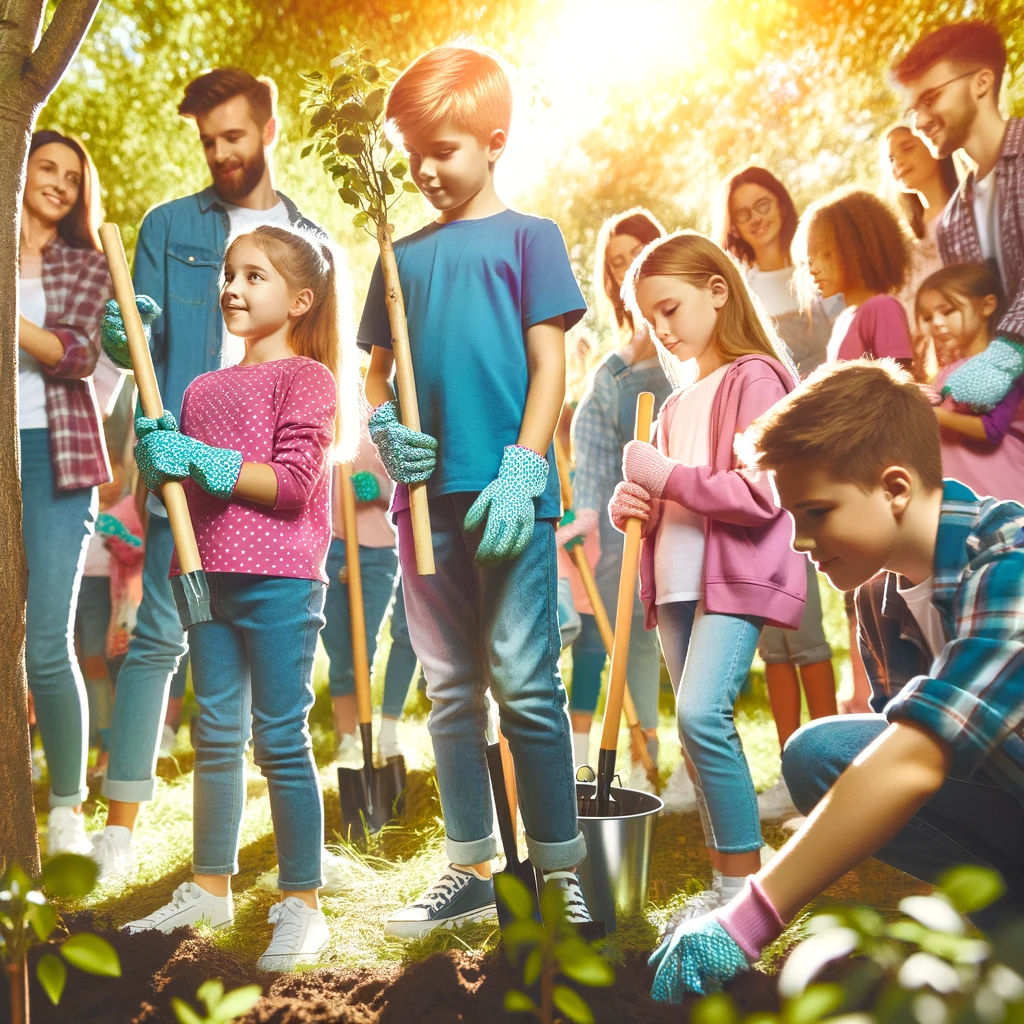
Social Psychology and Relationships
Understanding social psychology helps teens navigate relationships and group dynamics. Students explore how people influence each other, how groups function, and how social contexts shape behavior. This knowledge helps them understand both personal relationships and broader social phenomena.
Topics include group dynamics, social influence, prejudice and discrimination, and interpersonal relationships. These concepts help students understand both individual interactions and larger social patterns.
Mental Health and Well-being
Psychology education should include understanding of mental health, stress management, and psychological well-being. Students learn about common mental health challenges, coping strategies, and when to seek professional help. This knowledge helps them maintain their own mental health while developing empathy for others.
Study includes understanding different mental health conditions, recognizing warning signs, and knowing how to access mental health resources. This practical knowledge serves students throughout their lives.
A Modern Approach to Psychology
At TheHomeschoolingCompany, our psychology curriculum combines scientific understanding with practical applications and personal development. Students develop both academic knowledge and life skills through exploration of psychological principles.