Breaking Free: Embracing Self-Paced Learning Without a Strict Curriculum
Embracing self-paced learning is a powerful tool for homeschooling families, as it allows children to explore subjects that interest them at their own pace. This approach fosters a love for learning that extends beyond textbooks and exams, nurturing innovation and critical thinking skills. Combined with project-based learning, students can achieve rapid growth in their understanding of the material and develop a deep connection to the subject matter.
Unleashing Creativity: Allowing Self-Paced Learning to Foster Innovation and Critical Thinking
Self-paced learning within homeschooling allows children to unleash their creativity and develop critical thinking skills in a way that traditional, rigid curriculums often cannot. By embracing self-paced learning, parents can create an environment that nurtures innovation and fosters a love for learning that extends beyond textbooks and exams. When children are given the freedom to explore subjects that interest them at their own pace, they are more likely to develop a deep understanding of the material and think critically about how to apply it in real-world situations.
One practical way to unleash creativity through self-paced learning is to incorporate project-based learning into the homeschooling curriculum. For example, instead of following a strict science curriculum, parents can encourage their children to explore a topic of interest through hands-on experiments, research, and presentations. This approach allows children to delve deeply into a subject, think creatively about how to approach it, and develop critical thinking skills as they problem-solve and analyze their findings. Additionally, parents can introduce multimedia resources such as educational videos, documentaries, and interactive websites to supplement traditional learning materials. These resources can spark curiosity, inspire creativity, and provide diverse perspectives on the subject matter, enriching the learning experience and nurturing critical thinking skills.
Furthermore, writing and creating can be powerful tools for fostering innovation and critical thinking in self-paced learning. Encouraging children to write essays, stories, or create multimedia presentations about the topics they are studying not only reinforces their understanding of the material but also allows them to express their ideas and thoughts in a creative manner. Moreover, engaging in creative projects such as building models, designing experiments, or producing art related to the subject matter can stimulate innovative thinking and problem-solving skills. By integrating these creative elements into self-paced learning, children can develop a deeper connection to the material and gain the confidence to think critically and creatively about the world around them.

Flexibility and Freedom: How Self-Paced Learning Empowers Homeschooling Families
Self-paced learning offers homeschooling families the flexibility to tailor education to each child's unique learning style, interests, and pace. This approach allows parents to customize the learning experience, ensuring that their children receive a well-rounded education while also nurturing their individual strengths and passions. For example, if a child demonstrates a keen interest in science, parents can adjust the curriculum to incorporate more hands-on experiments, field trips to science museums, and in-depth exploration of scientific concepts. On the other hand, if a child struggles with a particular subject, such as math, parents can adapt the teaching methods to accommodate the child's learning needs, providing additional practice and support until mastery is achieved. This flexibility enables children to excel in areas of strength while receiving the necessary support in areas of challenge, fostering a positive and effective learning environment.
Moreover, self-paced learning empowers homeschooling families to embrace a more holistic approach to education. Beyond traditional subjects, parents can incorporate life skills, character development, and practical experiences into their children's learning journey. For instance, learning opportunities can extend beyond textbooks to include cooking lessons that integrate math and science concepts, community service projects that promote empathy and social responsibility, or entrepreneurial endeavors that foster creativity and critical thinking. By integrating these real-world experiences into the curriculum, children gain a deeper understanding of the interconnectedness of knowledge and develop essential life skills that extend far beyond academic achievement. This holistic approach prepares children to thrive in a dynamic and ever-changing world, equipping them with the adaptability and resilience necessary for success in the future.
Furthermore, self-paced learning encourages homeschooling families to embrace a diverse range of learning resources and materials, leveraging the vast array of educational content available today. With the advent of digital resources, families can access interactive online courses, educational videos, virtual field trips, and multimedia materials that cater to various learning styles and preferences. For instance, children who are visual learners may benefit from educational documentaries and infographics, while kinesthetic learners may thrive through hands-on projects and interactive simulations. Additionally, audiobooks and podcasts can cater to auditory learners, providing an alternative avenue for absorbing information. By embracing diverse learning resources, homeschooling families can create a rich and immersive learning environment that caters to each child's unique strengths and preferences, fostering a deep love for learning and exploration.
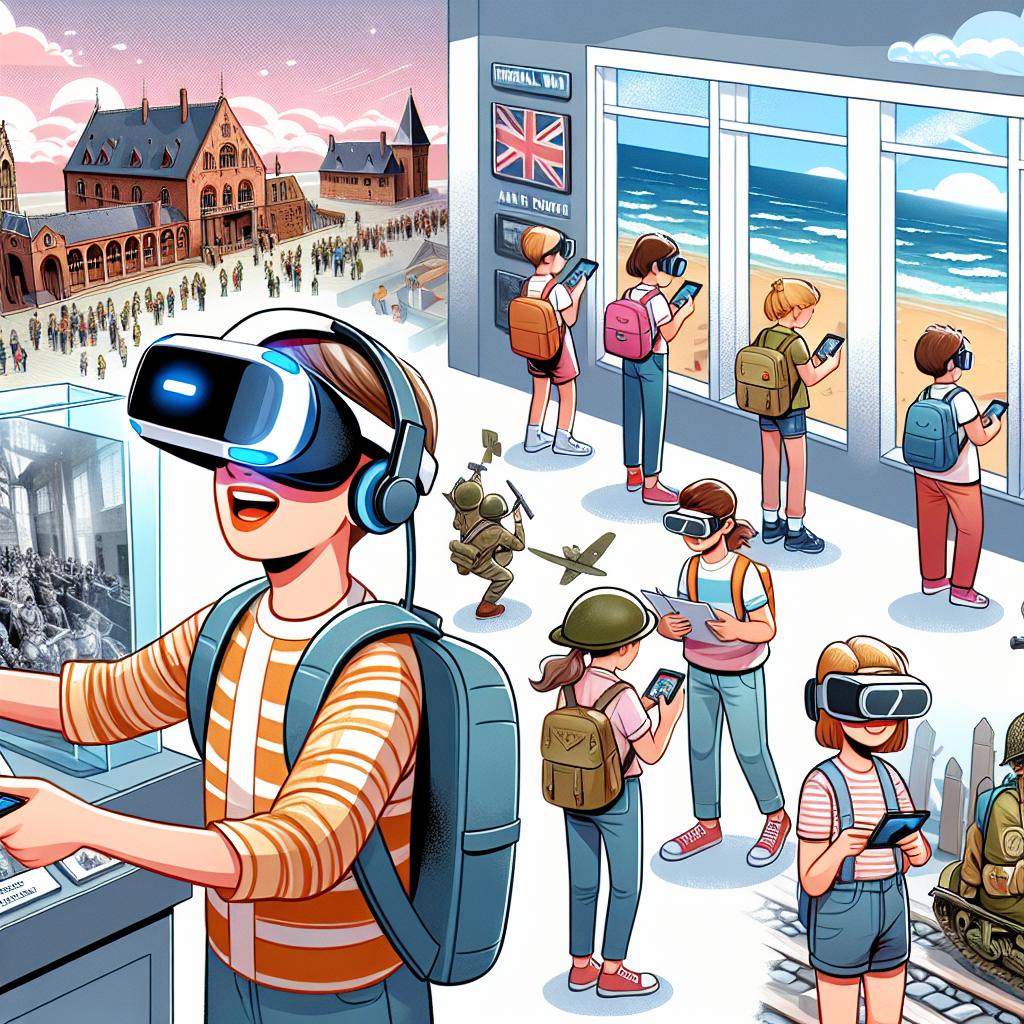
Beyond the Book: Utilizing Real-Life Experiences as Educational Tools in Self-Paced Learning
In self-paced learning, real-life experiences serve as invaluable educational tools that can enhance a child's understanding of various subjects. Whether it's a trip to the grocery store to learn about budgeting and math, a visit to a museum to explore history and art, or a nature walk to study biology and ecology, real-life experiences provide practical and hands-on learning opportunities. For instance, a visit to a local farm can offer insights into agriculture, animal science, and sustainable living. By integrating these experiences into the learning process, children can develop a deeper appreciation for the subjects they are studying and understand how they relate to the world around them.
Furthermore, real-life experiences can also foster critical thinking and problem-solving skills. For instance, a family cooking session can teach children about measurements, fractions, and chemistry while also encouraging creativity and teamwork. Similarly, volunteering at a local charity or community organization can instill empathy, social responsibility, and an understanding of societal issues. These experiences not only enrich the academic learning process but also contribute to the holistic development of the child, nurturing their emotional intelligence and social awareness.
To maximize the educational value of real-life experiences, parents can complement these activities with multimedia resources and writing/creation exercises. For example, after a visit to a historical site, children can watch documentaries or virtual tours to gain a deeper understanding of the context. They can then be encouraged to write reflective essays, create digital presentations, or even produce short films to articulate their learnings and insights. By engaging in these activities, children not only reinforce their understanding of the subject matter but also hone their communication, research, and presentation skills, preparing them for the challenges of the 21st century.
Personalized Learning Paths: Tailoring Education to Meet Individual Needs and Interests
When embracing self-paced learning without a strict curriculum, personalized learning paths become a cornerstone of the homeschooling journey. Tailoring education to meet individual needs and interests allows students to thrive in an environment that caters to their unique learning styles and passions. One of the key advantages of personalized learning is the ability to focus on a child's strengths and areas for growth, ensuring a well-rounded education that nurtures their natural abilities while also addressing any challenges they may encounter.
In the realm of personalized learning, the use of adaptive learning platforms and resources can be invaluable. These tools can help identify a student's learning style, strengths, and weaknesses, allowing for the creation of tailored lesson plans and activities. For example, using an adaptive math program can assess a child's proficiency in various mathematical concepts and then provide targeted exercises to strengthen areas of weakness while allowing them to progress in areas of strength at their own pace. This approach not only fosters a deeper understanding of the subject but also builds confidence and a sense of accomplishment in the student.
In addition to adaptive learning tools, incorporating project-based learning can further personalize education. Allowing students to pursue projects aligned with their interests encourages them to take ownership of their learning. For instance, a student passionate about history might choose to delve into a research project exploring a specific era, while a budding scientist might conduct experiments related to their favorite scientific principles. By integrating personalized projects into the curriculum, students can develop critical thinking, problem-solving, and research skills while nurturing their passions. This approach not only makes learning more engaging but also equips students with valuable skills that extend beyond the academic realm. For parents seeking to delve deeper into personalized learning, "The Art of Self-Directed Learning" by Blake Boles and "The One World Schoolhouse: Education Reimagined" by Salman Khan offer insightful perspectives on self-paced and personalized education. These resources can provide valuable insights and practical strategies for tailoring education to meet individual needs and interests, empowering parents to create a dynamic and personalized homeschooling experience for their children.
Navigating Challenges: Strategies for Implementing Self-Paced Learning in a Homeschooling Environment
When implementing self-paced learning in a homeschooling environment, it's essential to anticipate and address potential challenges. One common challenge is the fear of falling behind traditional school standards. Parents may worry that without a strict curriculum, their child may not cover all the necessary material. To overcome this, it's crucial to shift the focus from completing a set curriculum to ensuring a deep understanding of core concepts. Encouraging children to explore topics in depth and make real-world connections can lead to a more profound and lasting comprehension of the material. For instance, if a child is studying history, they can create a timeline of significant events, conduct interviews with family members, or even visit historical sites to enrich their understanding of the subject.
Another challenge in self-paced learning is maintaining motivation and accountability. Without the structure of a traditional classroom, students may struggle to stay on track and complete their work. To address this, parents can implement goal-setting and progress tracking systems. For example, using a visual chart or digital tracking tool, students can set achievable weekly or monthly goals for each subject. As they make progress, they can visually see their accomplishments, which can boost motivation. Additionally, regular check-ins and discussions about their learning experiences can provide accountability and support. Encouraging students to take ownership of their learning journey by setting their own goals and reflecting on their progress fosters a sense of responsibility and self-motivation.
Furthermore, adapting to various learning styles and pacing can be a challenge when implementing self-paced learning. In a homeschooling environment, it's essential to recognize and accommodate each child's unique learning style. For instance, if a child is a visual learner, incorporating educational videos, documentaries, and multimedia content can enhance their understanding of complex concepts. On the other hand, a hands-on learner may benefit from interactive projects, experiments, and field trips. By embracing diverse learning styles, parents can create a tailored learning experience that caters to their child's individual strengths and preferences. Additionally, providing flexible scheduling and allowing students to delve deeper into topics of personal interest can empower them to take ownership of their learning and flourish in a self-paced environment.
To delve deeper into strategies for implementing self-paced learning in a homeschooling environment, parents can explore resources such as "The Brave Learner" by Julie Bogart, which offers insights into creating a rich and engaging homeschooling experience. Additionally, "Teaching from Rest" by Sarah Mackenzie provides valuable guidance on nurturing a peaceful and purposeful homeschool environment. Online platforms like Khan Academy and Outschool offer a wide range of self-paced courses and resources for various subjects and age groups, allowing students to explore topics at their own speed. Furthermore, engaging in online communities and forums such as Homeschool.com and The Homeschool Mom can provide valuable support, advice, and shared experiences from other homeschooling families navigating self-paced learning challenges.
In conclusion, embracing self-paced learning within homeschooling empowers children to unleash their creativity, foster critical thinking, and develop a deep love for learning that extends beyond traditional curriculums. By incorporating project-based learning, multimedia resources, and writing/creation exercises, parents can create an environment that nurtures innovation and cultivates essential problem-solving skills. Furthermore, self-paced learning offers the flexibility to tailor education to each child's unique learning style and interests, ensuring a well-rounded education while nurturing individual strengths and passions. Real-life experiences serve as invaluable educational tools, providing practical and hands-on learning opportunities that enhance a child's understanding of various subjects and foster critical thinking skills. Personalized learning paths, adaptive learning tools, and project-based learning further enhance the homeschooling journey, allowing students to thrive in an environment that caters to their unique learning styles and passions. To navigate challenges in implementing self-paced learning, parents can focus on deep understanding over traditional standards, implement goal-setting and progress tracking systems, and accommodate diverse learning styles and pacing. By embracing self-paced learning, homeschooling families can create a dynamic and personalized learning environment that empowers children to thrive in the 21st century.
More Articles
Related Curriculum and Guides
Editorial Integrity
Breaking Free: Embracing Self-Paced Learning Without a Strict Curriculum is maintained by Andrew Garber and reviewed for factual consistency and practical utility for homeschool families. We update Breaking Free: Embracing Self-Paced Learning Without a Strict Curriculum when policy, standards, or implementation best practices change.