Why Medical and Health Education Matters
Understanding medicine and health sciences provides crucial knowledge for personal wellbeing and potential healthcare careers. For teens, studying these subjects develops scientific thinking while building practical health literacy. This knowledge proves valuable whether pursuing medical careers or simply managing personal and family health.
Beyond career preparation, health education develops critical thinking about scientific evidence, understanding of human biology, and awareness of public health issues - essential knowledge for informed citizenship.
Building Scientific Foundations
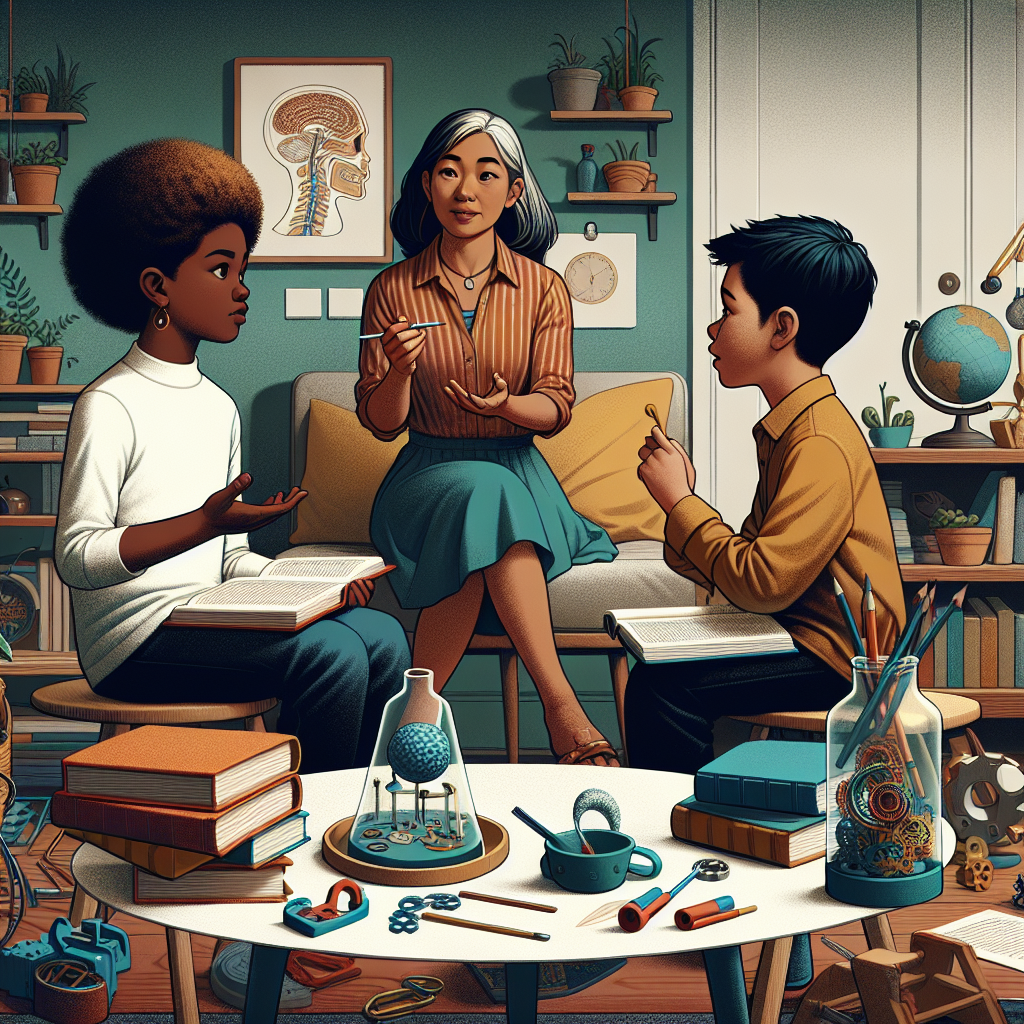
Medical education requires strong foundations in biology, chemistry, and anatomy. Students should understand how body systems work together, how diseases develop and spread, and how various treatments affect the body. This foundational knowledge supports both practical health decisions and potential medical careers.
Key topics include human anatomy and physiology, cell biology, basic chemistry, and principles of disease. These foundations help students understand both everyday health issues and complex medical concepts.
Practical Health Applications
Health education should include practical knowledge about nutrition, exercise, mental health, and preventive care. Students learn to evaluate health information, understand medical terminology, and make informed healthcare decisions. These practical skills benefit students throughout their lives.
Projects might include analyzing dietary choices, studying exercise physiology, or researching public health issues. Each topic connects scientific principles to practical health applications.
Ethics and Healthcare Policy
Medical education should address ethical issues in healthcare and understanding of healthcare systems. Students explore medical ethics, patient rights, and public health policy. This knowledge helps them understand both personal healthcare choices and broader societal issues.
Case studies of medical ethics and healthcare policy help students understand complex issues in modern medicine while developing critical thinking about healthcare decisions.
Research and Evidence-Based Practice
Students should learn to evaluate medical research and understand evidence-based practice. This includes understanding scientific studies, analyzing health statistics, and recognizing reliable health information sources. These skills help students navigate health information throughout their lives.
Learning to distinguish between credible and questionable health information becomes increasingly important in our information-rich world.
A Modern Approach to Health Education
At TheHomeschoolingCompany, our health and medical science curriculum combines scientific principles with practical applications and ethical considerations. Students develop both technical knowledge and health literacy through personalized learning paths.