Why Political Science Matters for Teens
Political science education goes far beyond understanding government structures and election processes. It develops critical thinking about power, governance, and social change while building essential skills in analysis, argumentation, and civic engagement. For teens, studying political science provides crucial tools for understanding current events, evaluating political claims, and becoming informed citizens.
In an era of information overload and competing narratives, the analytical skills developed through political science become increasingly vital. Students learn to evaluate sources, understand bias, and analyze complex social and political issues from multiple perspectives.

Building Analytical Frameworks
Effective political science education begins with developing strong analytical frameworks. Students learn to examine political systems, policies, and events through various theoretical lenses - from classical political philosophy to modern political economy. This foundation helps them understand how different political systems work, why they evolve, and how they affect people's lives.
Rather than memorizing facts about government structures, students should learn to analyze how these structures function in practice. For example, studying a local government decision allows students to see how theoretical concepts like representation and bureaucracy work in real-world contexts.
Practical Application and Current Events
Political science comes alive through analysis of current events and local politics. Students might track legislation, analyze election campaigns, or study ongoing policy debates. These real-world applications help students understand abstract concepts while developing media literacy and critical analysis skills.
For instance, following a local policy issue from proposal to implementation teaches students about the entire political process - from interest group politics to policy implementation challenges. Such projects make political processes tangible while building research and analytical skills.
Comparative and Historical Perspectives
Understanding different political systems and their historical development helps students think more critically about their own political environment. By studying various forms of government across time and space, students develop a broader perspective on political possibilities and challenges.
This comparative approach helps students understand why political systems differ, how they evolve, and what factors influence their success or failure. It also helps them better understand current global political dynamics and international relations.
Developing Civic Literacy
Political science education should prepare students for active citizenship. This means understanding not just how government works, but how citizens can effectively participate in political processes. Students learn about voting rights, civic responsibilities, and various forms of political participation.
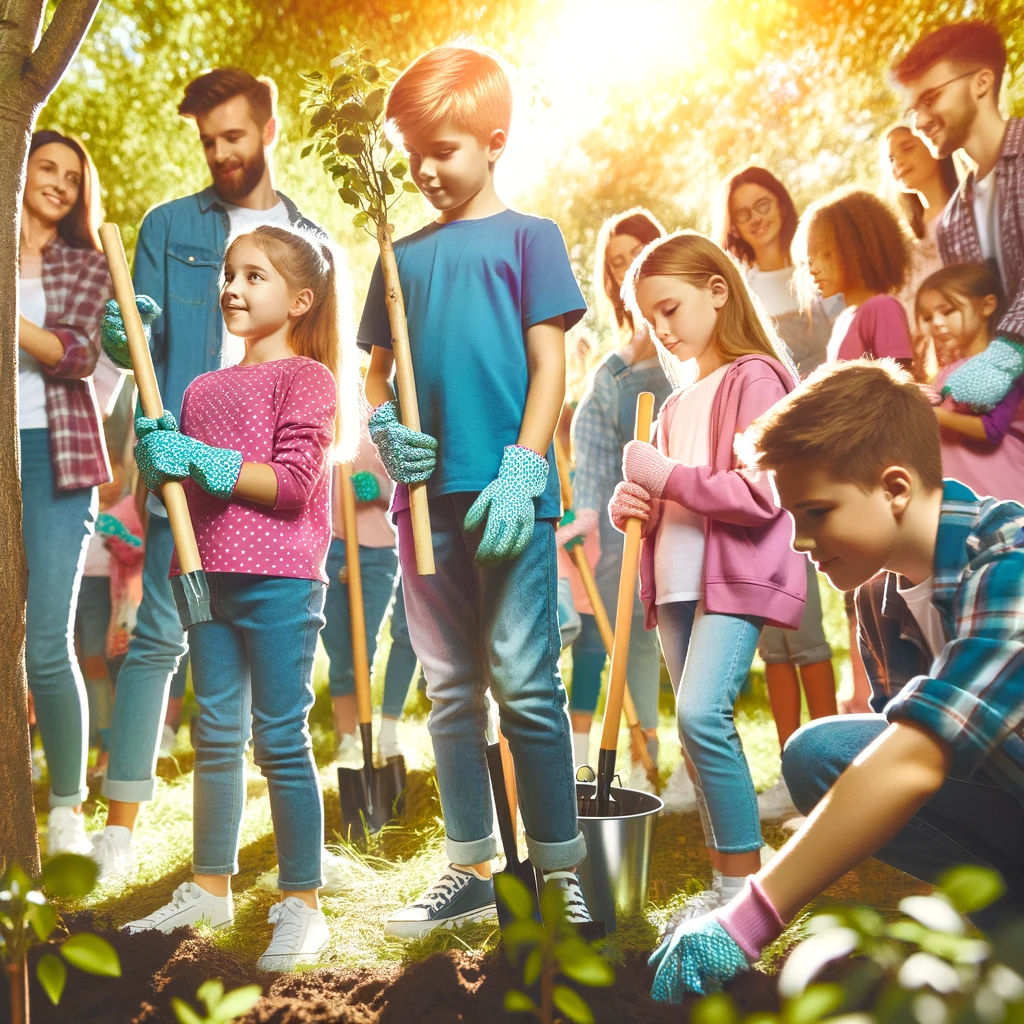
Projects might include mock elections, model legislatures, or community engagement initiatives. These hands-on experiences help students understand both the theory and practice of democratic participation while developing leadership and communication skills.
A Modern Approach to Political Science
At TheHomeschoolingCompany, our political science curriculum combines theoretical understanding with practical application through current events analysis and civic engagement projects. Students develop critical thinking skills while gaining deep insights into political processes and civic participation.